
THE SCIENCE4 min read
Your Standard Creatinine Test Is Not Good Enough.
Creatinine levels often rise only after more than 50% of kidney function has been lost.
By Kiora Clinical Team
Cookie Notice
We use cookies to run our site, remember your preferences, and understand how Kiora Care is used. See our Privacy Policy.
Practical, clinician-reviewed guidance for kidney health and chronic disease care.
10 articles
Creatinine levels often rise only after more than 50% of kidney function has been lost.
By Kiora Clinical Team
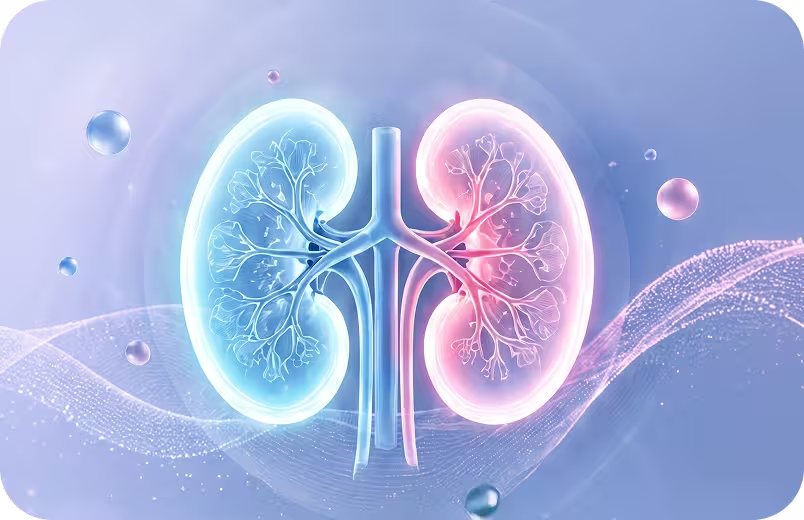
Cystatin C is more accurate than creatinine, catches kidney decline earlier, and in South Asians may identify far more high-risk patients than standard testing alone.
By Kiora Clinical Team

1 in 3 people with type 2 diabetes may develop kidney disease — silently, over years, often without symptoms.
By Kiora Clinical Team

5 min read
High blood pressure can place steady strain on the kidneys, often without early symptoms. This article explains which kidney tests are most useful and why a broader view matters.

6 min read
Diabetes can affect the kidneys quietly over time, which makes regular testing important. This article explains how often kidney screening is usually recommended and what that screening should include.
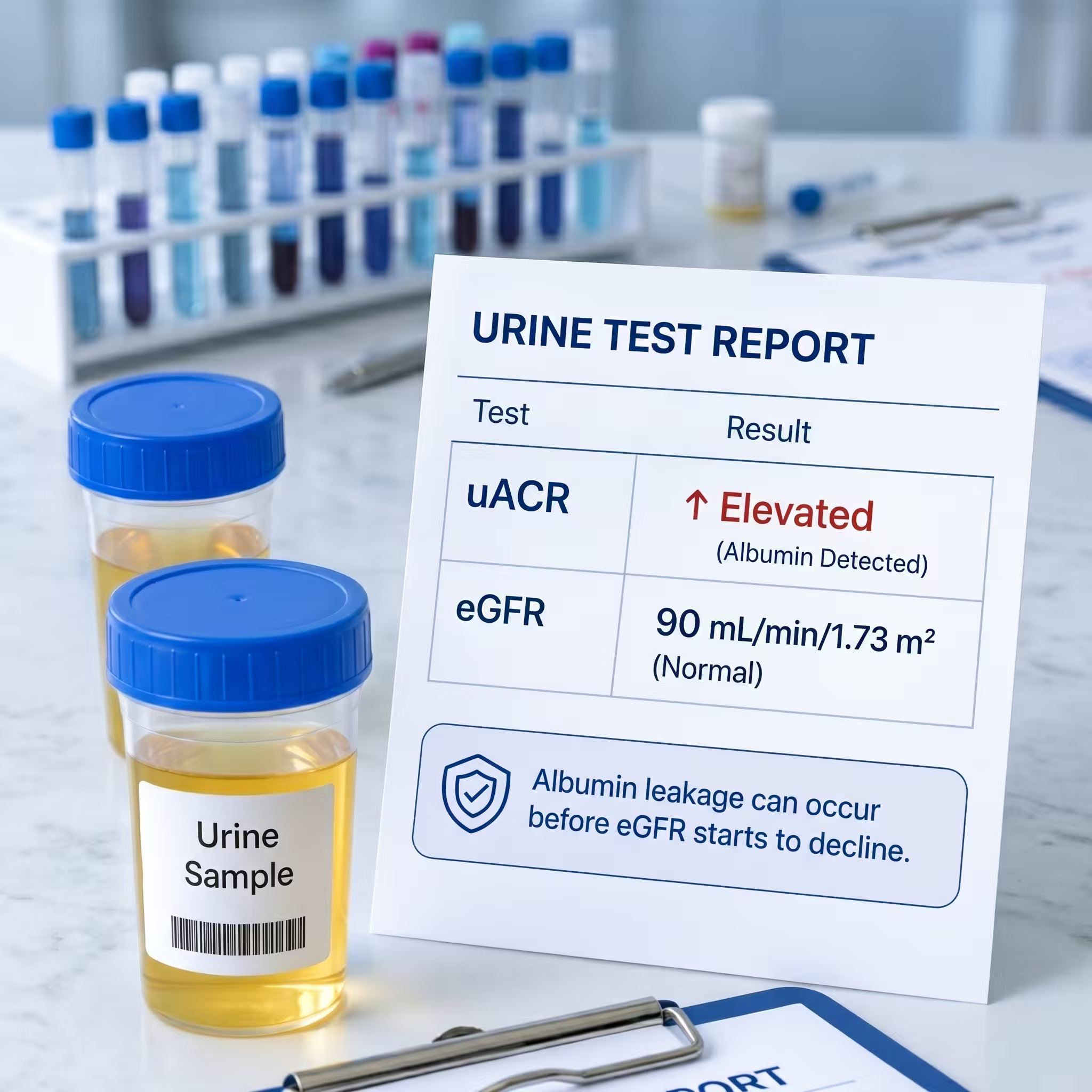
7 min read
Changes in urine are easy to notice, but not always easy to interpret. This article explains what foamy urine can mean, when it may be harmless, and when it may deserve a closer kidney check.
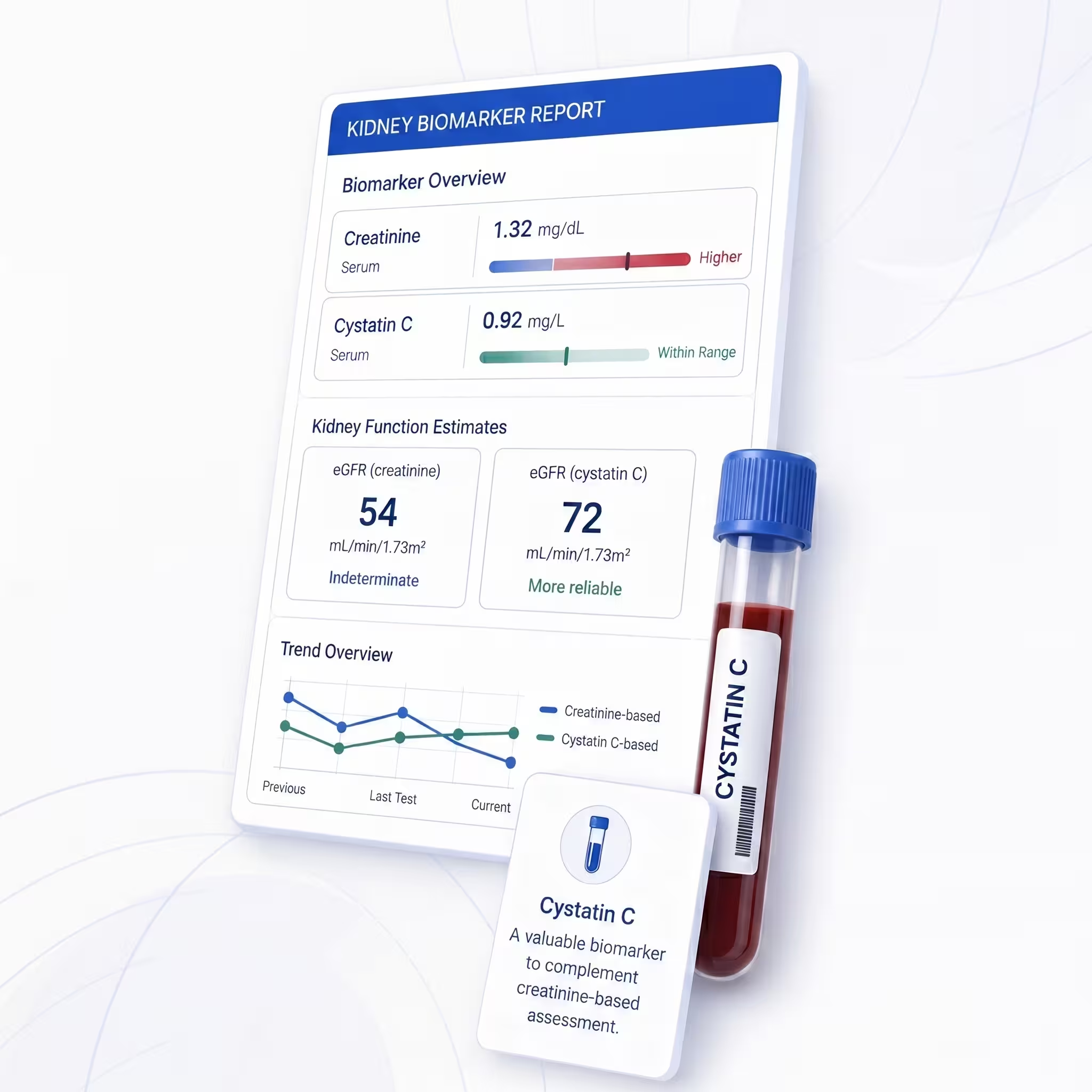
6 min read
Cystatin C is a blood marker used to estimate kidney function. It may give a clearer picture when creatinine alone is not enough.

6 min read
Some kidney damage shows up in the urine before it becomes obvious elsewhere. This article explains how UACR works, why it matters, and how it fits into a broader kidney check.
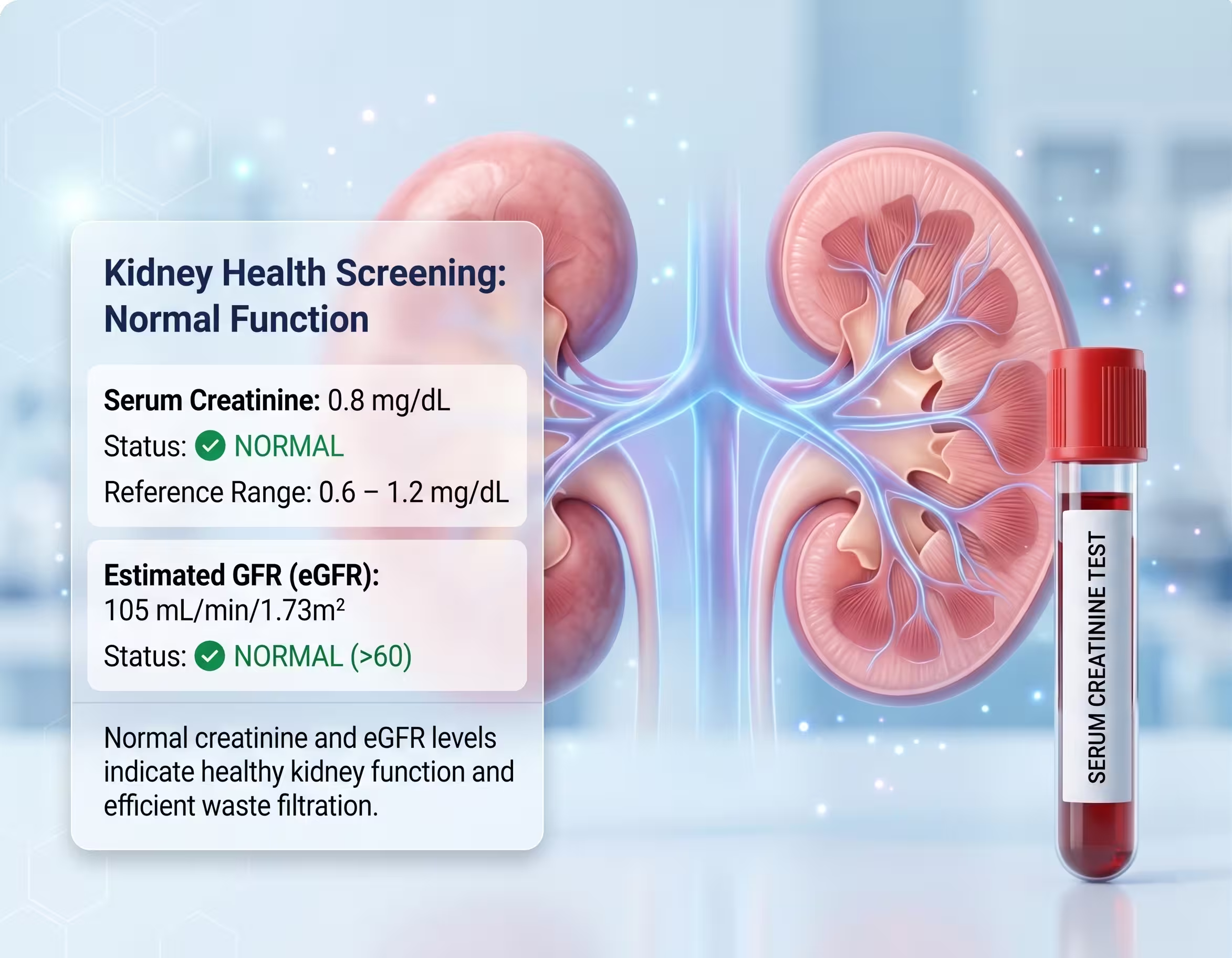
6 min read
A creatinine result can look reassuring, but one number alone does not always reflect the full picture of kidney health. This article explains how creatinine is interpreted and why context matters.

3 min read
Learn about kidney health, common warning signs of kidney disease, prevention tips, healthy diet habits, and when to consult a doctor.